Helsinki Airport has long been a key hub for travelers crossing between Europe and Asia. Its compact size and efficient layout make it one of the best airports for quick connections. For those looking to minimize layover time, understanding the shortest possible transfer options at Helsinki can be the difference between a smooth journey and a stressful rush.
The airport’s design prioritizes quick transits, particularly for Schengen-to-Schengen flights. Passengers arriving from within the Schengen zone and departing to another Schengen destination often find their gates within a 10 to 15-minute walk. The lack of passport control for these flights streamlines the process, allowing travelers to move swiftly from one flight to the next. Even for those unfamiliar with the airport, clear signage and helpful staff ensure minimal confusion.
Non-Schengen connections require a bit more time but remain impressively efficient. Helsinki Airport has dedicated transfer corridors for passengers arriving from outside the Schengen area and continuing to another international destination. Security checks are fast-tracked for transfer passengers, and immigration queues are typically shorter than in larger European hubs. With an average transfer time of 35 to 45 minutes for non-Schengen flights, it’s possible to make tight connections without excessive stress.
Finnair’s Role in Streamlining Transfers
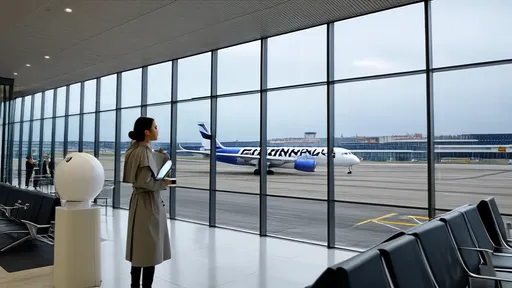
As the primary carrier operating at Helsinki, Finnair plays a crucial role in facilitating quick turnarounds. The airline’s flight schedules are designed to create efficient transfer windows, with many Asia-Europe routes timed to allow seamless connections. Finnair also employs dedicated transfer assistants who monitor tight connections and guide passengers when necessary. This level of coordination ensures that even the shortest layovers—sometimes as brief as 30 minutes—can be manageable.
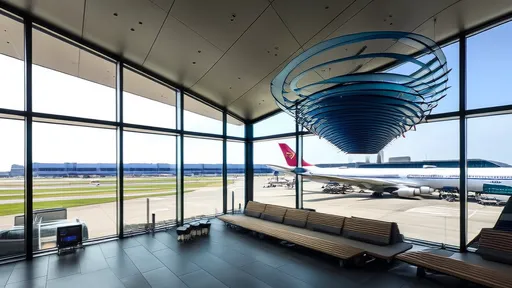
One of the lesser-known advantages of transferring in Helsinki is the airport’s single-terminal design. Unlike sprawling multi-terminal hubs where passengers must navigate trains or buses between gates, everything in Helsinki is under one roof. This eliminates the risk of missing a connection due to inter-terminal transportation delays. The compact layout is especially beneficial for travelers with mobility issues or those carrying heavy hand luggage.
Weather Considerations for Tight Connections
While Helsinki Airport excels in efficiency, winter weather can occasionally disrupt even the best-laid plans. Snow and ice during the colder months may lead to slight delays in de-icing procedures or taxiing. However, the airport’s snow removal teams work around the clock to minimize disruptions. Travelers attempting ultra-short connections between November and March should account for potential weather-related delays when booking flights.
The airport’s transfer desk operates 24/7 to assist passengers with missed connections or last-minute gate changes. Staff are multilingual and well-versed in rebooking options across various airlines. For those who do miss their onward flight despite Helsinki’s efficiency, the airport offers comfortable waiting areas with ample charging stations and relatively short queues at service counters compared to busier European hubs.
Baggage handling represents another area where Helsinki shines for quick transfers. The airport boasts an impressive record for transferring checked luggage between flights, even on tight timelines. Automated systems and priority routing for transfer bags mean that suitcases often make it onto connecting flights when passengers do. This reliability removes one of the major anxieties associated with short layovers.
Business class passengers and frequent flyers with elite status enjoy additional advantages when attempting rapid transfers. Dedicated fast-track security lanes and priority passport control help shave valuable minutes off connection times. Several lounges are strategically located near major transfer routes, allowing premium passengers to refresh without venturing far from their departure gates.
As airlines continue optimizing their schedules and Helsinki Airport refines its processes, the possibilities for shorter connection times may increase further. The airport’s ongoing development plans include expanding transfer facilities while maintaining the compact, passenger-friendly layout that makes quick transits possible. For now, it remains one of Europe’s top choices for travelers looking to minimize layover time without sacrificing reliability.

By /Aug 13, 2025

By /Aug 13, 2025

By /Aug 13, 2025

By /Aug 13, 2025

By /Aug 13, 2025
By /Aug 13, 2025

By /Aug 13, 2025

By /Aug 13, 2025
By /Aug 13, 2025

By /Aug 13, 2025

By /Aug 13, 2025

By /Aug 13, 2025

By /Aug 13, 2025

By /Aug 13, 2025

By /Aug 13, 2025

By /Aug 13, 2025

By /Aug 13, 2025

By /Aug 13, 2025

By /Aug 13, 2025

By /Aug 13, 2025
