The narrow streets of Kyoto whisper centuries of history, and nestled among them stands Ippodo Tea's flagship store—a living testament to Japan's unwavering devotion to tea culture. Unlike the hurried tea shops that have sprouted in modern times, this establishment moves with the deliberate grace of a tea ceremony, inviting visitors to slow down and savor each moment. The faint aroma of roasted leaves drifts through the wooden lattice windows, a scent that has permeated these walls since 1717 when the business first took root under the name "Ippodo."
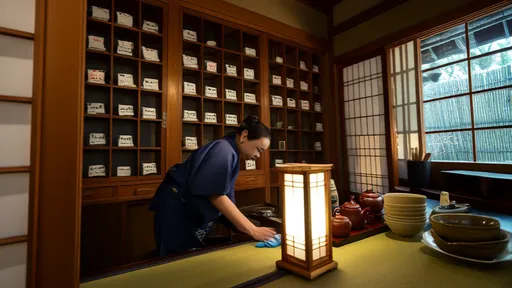
Stepping through the noren curtain feels like crossing a threshold into another era. The polished wooden counters, worn smooth by generations of customers, gleam under soft lighting. Behind them, artisans in indigo-dyed aprons measure out emerald-green matcha with the precision of pharmacists compounding medicine. Every movement here carries weight—the way water is poured, how tea is whisked, even the angle at which a cup is presented. This isn't mere commerce; it's the preservation of a cultural artifact.
The store's layout reveals its philosophy. Unlike Western tea shops that often prioritize variety over depth, Ippodo arranges its space like a tea master's study. Seasonal offerings occupy pride of place near the entrance—spring's vibrant shincha with its grassy freshness, autumn's hojicha carrying the comforting warmth of roasted twigs. Further inside, the rare tencha leaves used for ceremonial-grade matcha rest in airtight tins, their value understood by connoisseurs who journey across continents to procure them.
What truly distinguishes Ippodo isn't merely its age, but its relentless pursuit of perfection within tradition. The sixth-generation owners still personally sample each year's harvest from Uji's tea fields, selecting lots with the discernment of wine masters judging Bordeaux vintages. Their kabusecha—shade-grown leaves that develop unparalleled umami—undergoes fourteen distinct processing steps unchanged since Edo-period manuscripts documented them. In an age of shortcuts, this adherence to craft borders on the devotional.
The tearoom upstairs offers more than refreshment; it's an education in mindfulness. Patrons seated on tatami witness the temae ritual performed not as theatrical display but as intimate transmission. The way hot water cools slightly in the yuzamashi vessel before meeting powdered tea demonstrates how Ippodo honors even the invisible steps—the pauses between actions that most modern businesses eliminate in pursuit of efficiency. Each sip of their koicha thick tea delivers centuries of accumulated knowledge directly to the palate.
Seasonality governs Ippodo's rhythm like an agricultural calendar. Spring brings the ichibancha first flush tastings, summer offers chilled gyokuro to combat Kyoto's humidity, autumn features limited-edition kuki-hojicha made from roasted stems, while winter warms visitors with spiced genmaicha blends. The staff, trained to recognize subtle flavor notes most would overlook, guide customers through these temporal offerings with the expertise of sommeliers.
Modernity has touched Ippodo lightly, like morning dew on tea leaves. While they now ship globally—their website offers English guidance—the packaging remains resolutely traditional. Bamboo whisks still come wrapped in washi paper printed with woodblock designs, tins are sealed with the same wax mixture used when samurai frequented the shop. Even their Instagram feed avoids trendy "matcha desserts" in favor of poetic captions about morning mist over tea fields.
To visit Ippodo's flagship isn't merely to buy tea; it's to participate in living history. The shop survives not through nostalgia but because its products transcend time—that first taste of their ummon-no-shirakumo matcha, with its cloud-like froth and lingering sweetness, delivers the same revelation it did to 18th-century merchants. In a city that balances past and present with unparalleled grace, Ippodo stands as both guardian and innovator, ensuring that every leaf tells not just a story, but an ongoing epic.
As afternoon shadows lengthen across Teramachi Street, the soft clink of porcelain against wood signals another perfect bowl being served. Tourists pause outside, drawn by the scent they can't name—it's the fragrance of patience, of leaves handled with reverence, of a business that measures success not in quarters but in centuries. Ippodo requires no flashy signage; its legacy shines through every carefully measured scoop, every perfectly steeped cup, every customer who departs not just with a purchase, but with a deeper understanding of tea's soul.

By /Aug 13, 2025
By /Aug 13, 2025

By /Aug 13, 2025

By /Aug 13, 2025

By /Aug 13, 2025

By /Aug 13, 2025

By /Aug 13, 2025

By /Aug 13, 2025

By /Aug 13, 2025

By /Aug 13, 2025

By /Aug 13, 2025

By /Aug 13, 2025

By /Aug 13, 2025

By /Aug 13, 2025

By /Aug 13, 2025
By /Aug 13, 2025

By /Aug 13, 2025
By /Aug 13, 2025
By /Aug 13, 2025
By /Aug 13, 2025
