Nestled in the heart of Kowloon, Hong Kong’s Dragon City stands as a testament to the city’s vibrant culture and unyielding spirit. Known locally as "Lung Shing," this bustling district is a microcosm of Hong Kong itself—dynamic, layered, and brimming with stories. While the area has evolved over the decades, its core identity remains rooted in authenticity. From traditional eateries to family-run shops, Dragon City offers a glimpse into the soul of old Hong Kong, a rarity in a metropolis increasingly dominated by glossy malls and global chains.
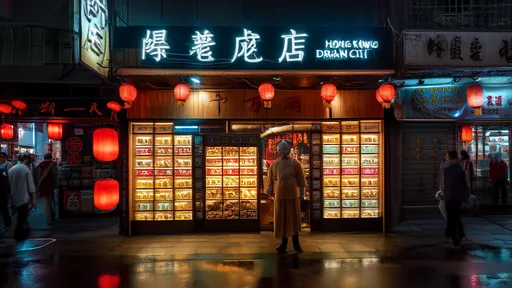
The streets of Dragon City are a sensory overload in the best possible way. The aroma of sizzling street food—char siu, egg waffles, and fish balls—mingles with the scent of incense from nearby temples. Narrow alleyways are lined with neon signs, their glow reflecting off wet pavements after a sudden downpour. Here, the past and present collide seamlessly. A century-old herbal medicine shop might sit beside a trendy bubble tea stall, each catering to different generations yet coexisting without friction. This is the magic of Dragon City: it refuses to be pigeonholed.
Food is the heartbeat of Dragon City. The district is home to some of Hong Kong’s most revered dai pai dongs (open-air food stalls), where chefs wield woks like artists with brushes. These unassuming spots serve dishes that have been perfected over generations—clay pot rice with crispy bottoms, silky congee, and roast goose with skin so crisp it crackles. What makes these eateries special isn’t just the food but the palpable sense of history. Many have operated for over half a century, their walls adorned with fading photographs of celebrities and politicians who’ve dined there. To eat in Dragon City is to participate in a living tradition.
Beyond its culinary offerings, Dragon City is a treasure trove for those seeking unique finds. Independent boutiques sell everything from hand-tailored cheongsams to vintage vinyl records. Unlike the sterile uniformity of chain stores, these shops are curated with personality. Owners often double as historians, eager to share anecdotes about their wares. A visit to one of these stores isn’t just shopping—it’s an exchange of stories. This personal touch is increasingly rare in Hong Kong’s commercial landscape, making Dragon City a refuge for those weary of cookie-cutter retail experiences.
The district’s architectural tapestry is equally compelling. Walk a few blocks, and you’ll encounter a striking mix of colonial-era buildings, postwar tong lau (tenement houses), and modernist high-rises. This juxtaposition tells the story of Hong Kong’s rapid development. Yet, despite the encroaching skyscrapers, Dragon City has retained its human scale. Its streets are designed for wandering, with hidden courtyards and staircases leading to unexpected discoveries. This organic urban fabric invites exploration, rewarding the curious with glimpses of everyday life—a grandmother hanging laundry, a group of old men playing mahjong, a calligrapher practicing his craft on the sidewalk.
Preservation versus progress is an ongoing tension in Dragon City. As property values soar and developers eye the area, longtime residents fear the erosion of its character. Some historic buildings have already been replaced by generic towers, their facades indistinguishable from those in any global city. Yet, grassroots movements have emerged to protect Dragon City’s heritage. Activists, shopkeepers, and younger generations are banding together to document oral histories and lobby for conservation policies. Their efforts highlight a broader question: Can Hong Kong modernize without losing its soul? Dragon City, with its stubborn resilience, suggests that compromise is possible.
What truly sets Dragon City apart is its sense of community. In a city where life moves at breakneck speed, this district remains a place where people take time to connect. Shopkeepers know their customers by name. Elders gather in tea houses to debate politics and reminisce. Even the chaotic wet markets operate on an unspoken code of mutual respect. This warmth is increasingly precious in Hong Kong, where rising costs and political tensions have strained social bonds. Dragon City, in many ways, offers a blueprint for what urban life could be—a balance of tradition and modernity, individuality and collective spirit.
To visit Dragon City is to experience Hong Kong at its most unfiltered. It’s messy, loud, and occasionally overwhelming, but it’s also alive in a way that few places are. As the city continues to transform, districts like this become not just cultural landmarks but vital reminders of what makes Hong Kong unique. Whether you’re savoring a bowl of wonton noodles at a decades-old stall or stumbling upon a hidden temple, Dragon City leaves an impression. It’s a place where history isn’t confined to museums but lives in the rhythm of daily life—a quality that’s disappearing fast in the 21st-century metropolis.

By /Aug 13, 2025

By /Aug 13, 2025

By /Aug 13, 2025

By /Aug 13, 2025

By /Aug 13, 2025

By /Aug 13, 2025

By /Aug 13, 2025

By /Aug 13, 2025

By /Aug 13, 2025

By /Aug 13, 2025

By /Aug 13, 2025

By /Aug 13, 2025

By /Aug 13, 2025

By /Aug 13, 2025

By /Aug 13, 2025

By /Aug 13, 2025

By /Aug 13, 2025

By /Aug 13, 2025
By /Aug 13, 2025
By /Aug 13, 2025
