The annual Running of the Bulls in Pamplona, Spain, is one of the most adrenaline-fueled and controversial traditions in the world. Every July, during the San Fermín festival, thousands of thrill-seekers and spectators gather in the narrow streets of this historic city to witness—or participate in—a spectacle that blends danger, tradition, and raw excitement. But beyond the chaotic sprint of humans and bulls lies an often-overlooked yet critical element: the fencing. These barriers are not just physical structures; they are the thin line between exhilaration and catastrophe.
The Role of Fencing in the Running of the Bulls
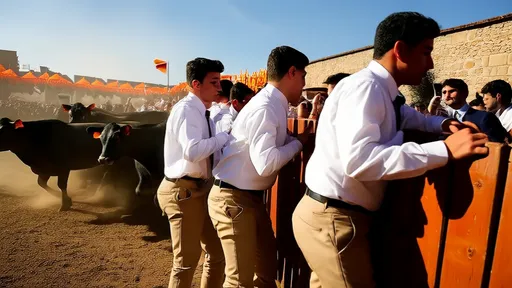
At first glance, the fencing along the route might seem like a simple safety measure, but its design and placement are the result of centuries of trial and error. The barriers are strategically positioned to guide both runners and bulls toward the bullring while providing escape routes for those who need them. Made of heavy wood or metal, the fences must withstand the force of panicked crowds and charging animals. They are tall enough to deter bulls from leaping over but low enough to allow runners to vault to safety if necessary. The fencing is not just a boundary—it’s a dynamic part of the event’s ecosystem.
Local authorities and event organizers spend weeks before the festival inspecting and reinforcing the fencing. Any weakness could lead to disaster, as bulls weighing over half a ton can easily break through flimsy barriers. The fencing is also designed with gaps or openings at intervals, allowing runners to slip out of harm’s way. These "escape zones" are carefully marked and communicated to participants during safety briefings, though in the heat of the moment, many runners rely on instinct rather than instruction.
The Psychological Impact of the Fencing
For participants, the fencing serves as both a reassurance and a reminder of the risks involved. The sight of the sturdy barriers can provide a false sense of security, encouraging some runners to take greater risks than they might otherwise. Yet, the fences also underscore the very real danger of the event—their presence is a constant visual cue that this is not just a game. The psychological tension between safety and peril is part of what makes the Running of the Bulls so electrifying.
Spectators, too, are affected by the fencing. Those watching from behind the barriers experience a mix of relief and envy—relief at being out of immediate danger, but envy for those brave (or foolish) enough to test their luck on the course. The fencing creates a literal and figurative divide between observers and participants, heightening the drama of the event. It frames the action, turning the streets of Pamplona into a stage where life and death play out in real time.
Controversies and Criticisms
Despite its importance, the fencing system is not without its critics. Animal rights activists argue that no amount of fencing can justify the stress and harm inflicted on the bulls. They point to instances where bulls have been injured or disoriented after colliding with barriers or attempting to jump them. Human rights advocates, meanwhile, highlight the injuries and fatalities that still occur among runners, suggesting that the fencing provides an illusion of safety that encourages reckless behavior.
Local officials defend the fencing as a necessary compromise, balancing tradition with modern safety standards. They emphasize that the event has become significantly safer over the decades, thanks in part to improvements in barrier design and crowd control. Yet, every year, there are calls to ban the Running of the Bulls altogether, with critics arguing that no amount of fencing can make such a dangerous tradition acceptable.
The Future of Fencing in the Running of the Bulls
As technology advances, so too does the potential for innovation in the fencing used during the Running of the Bulls. Some have proposed using reinforced materials or even temporary smart barriers that could adapt to the movement of the crowd and the animals. Others suggest incorporating more escape routes or redesigning the course to minimize sharp turns where bulls are more likely to lose control.
However, any changes must contend with the deep cultural significance of the event. For many in Pamplona, the fencing is as much a part of the tradition as the run itself. Altering it too much could strip the event of its authenticity, turning a centuries-old ritual into a sanitized spectacle. The challenge lies in finding a balance—preserving the thrill and heritage of the Running of the Bulls while ensuring the safety of all involved, human and animal alike.
In the end, the fencing around the Running of the Bulls is more than just wood and metal. It is a symbol of the delicate dance between danger and control, tradition and progress. As long as the event continues, the fences will remain, silently bearing witness to the chaos and courage that define this unforgettable spectacle.

By /Aug 13, 2025

By /Aug 13, 2025

By /Aug 13, 2025

By /Aug 13, 2025

By /Aug 13, 2025
By /Aug 13, 2025
By /Aug 13, 2025

By /Aug 13, 2025
By /Aug 13, 2025

By /Aug 13, 2025
By /Aug 13, 2025
By /Aug 13, 2025

By /Aug 13, 2025

By /Aug 13, 2025
By /Aug 13, 2025

By /Aug 13, 2025

By /Aug 13, 2025

By /Aug 13, 2025

By /Aug 13, 2025

By /Aug 13, 2025
